
Wisdom Tooth Extraction Recovery
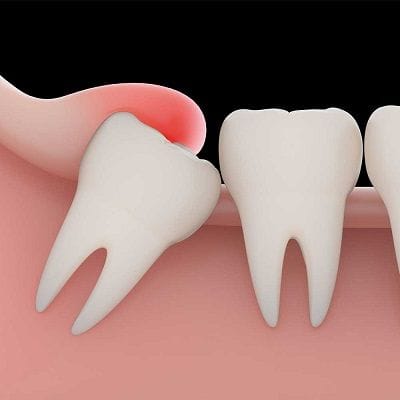
Your face attractiveness and the look of your teeth are very essential. For their smiles to have potential, people want properly aligned teeth. Your mental health and peace of mind are significantly influenced by good dental health. A quick outpatient treatment is wisdom tooth extraction can prevent many dental problems. They require surgery to be removed since their expansion is exceedingly painful. If you have a wisdom tooth the doctors suggest to extract it instantly because these teeth do not erupt until beyond puberty. Many patients have Wisdom Teeth Extraction which is a frequent dental operation as it helps to reduce discomfort and guard against oral health issues. However, the healing process can be difficult and calls for some tolerance and tenderness. In this article, we will look at some advice and instructions about Wisdom Tooth Extraction Recovery. What is it? Wisdom Tooth is one or more of the third molars, that are extracted during a Wisdom Tooth Extraction in Dubai. These are the final pair of molars to erupt in the mouth. Wisdom teeth frequently lack sufficient room to erupt correctly, raising the possibility of dental issues. A dentist or oral surgeon could suggest removing a wisdom tooth if it is impacted, infected, or hurting. A dentist or oral surgeon usually causes the tooth’s surrounding region to become numb before extraction by the administration of local anesthesia. After utilizing specialized equipment to remove the tooth, the region is cleansed and sewn up if required. Recovery Time After Wisdom Tooth Extraction: The number of teeth taken, the difficulty of the extraction, and the patient’s general health can all affect how long it takes to recuperate after wisdom tooth removal. However, there are some basic recommendations that might assist you in managing your recuperation and reducing discomfort. Following the extraction dentist or oral surgeon suggests thorough instructions on how to take care of your mouth. In order to reduce the possibility of difficulties and hasten your recovery, it is crucial that the individual carefully adheres to suggested directions. It is essential to relax well following the treatment. For at least the first few days, refrain from engaging in any strenuous activities. Apply an ice pack on the affected area as it can reduce swelling and discomfort. Apply it for 20 minutes in an hour. To address any discomfort, your dentist may prescribe painkillers or suggest over-the-counter painkillers like paracetamol or ibuprofen. Do not eat hard and solid foods in the initial days of the treatment To avoid infection, it is crucial to keep the extraction site clean. Brush your teeth carefully, and rinse with salt water or a specific mouthwash as your doctor advises. Quit smoking. Because smoking and drinking alcohol delay the healing process and increase the risk of complications. Procedure: Depending on the difficulty of the extraction and the number of extracted teeth, the complete process usually takes between 30 minutes and an hour. The majority of patients may return home the same day, but if they underwent anesthesia, it is important for them that someone else drive them home. The dentist or oral surgeon will assess the tooth and its surroundings before recommending the best course of action. He performs an X-ray to determine how close the tooth is to other teeth, nerves, and bones. He also evaluates the medical background of the patient and any drugs to avoid serious consequences. If there is a current infection, the dentist could recommend antibiotics. The patient will get local anesthesia to numb the region around the tooth prior to the extraction to help the patient relax and feel comfortable. Depending on the patient’s demands, this might range from a moderate sedative to full anesthesia. Once the effect of anesthesia starts in and the tooth is loose, he uses specialized tools to remove it from its socket. In cases when the tooth is impacted, the dentist may have to make an access incision in the gum tissue. Places a gauze pad on the extraction site to stop bleeding. In some cases, the dentist may apply stitches to the treated area. He further explains to the patient how to take care of the mouth after the procedure to enhance the recovery. If you feel severe pain and swelling, or the bleeding does not stop consult your dentist immediately. AfterCare: After the procedure completes the doctor suggests the aftercare measures to the patient. These aftercare measures help the client to get adequate results. Moreover, it makes the procedure worth investing time and money. If the individual does not follow these guidelines he might end up getting adverse outcomes. Use pain relievers to alleviate pain and suffering. Only take medications that your doctor prescribes If you have swelling and bruising, apply cool ice packs. To destroy all germs in the mouth, use an anti-bacterial mouthwash. Brush your teeth twice a day to eliminate any food particles that have become caught on your teeth. To avoid the spread of infection, do not touch the incised area. Consume liquid foods that are easy to swallow. Eat no hard solid meals for at least a few days. If you are experiencing additional pain and pinching, you should consult your doctor right away. Book A Consultation! Wisdom tooth extraction is a complicated procedure that should be performed under the supervision of a well-qualified dentist or oral surgeon. If you are suffering pain or discomfort from your wisdom teeth, it is critical that you see a dental expert as soon as possible. Pay a visit to Dynamic Clinic in Dubai to get your treatment done under the superintendence of our competent and experienced dentists. They will also clear your uncertainties regarding Wisdom Tooth Extraction Recovery. Fill out the consultation form and book your appointment now.
Is Gastric Sleeve A High-Risk Surgery in Dubai?

Gastric sleeve surgery is becoming safer and more effective for obese people. It is very popular because of the laparoscopic technique. The treatment has an immediate effect on weight loss through caloric restriction. It also improves blood sugar control and reversal. The procedure takes less time and is less complex than a gastric bypass. But it does not demand the placement of a foreign body in the body. It results in excellent weight loss and diabetes reversal. Everyone is unique and has a unique body. If you are looking for Is Gastric Sleeve A High-Risk Surgery in Dubai? This is an impressive treatment for many people. But, some people are confused about their weight. Nothing is effective, no matter how hard you try. Your struggle to lose that stubborn fat is ineffective. What is a Gastric Sleeve? It helps remove a specific part of the stomach. This method allows for a wide and stretchable area of the stomach to be transitioned. This is then transformed into a long, narrow sleeve. Once the treatment is completed, it is permanent. There are no extraneous objects introduced into the body. There are no other changes made to the operated part of the stomach after the surgery. Before: The first step is to meet with a qualified surgeon to determine if it is appropriate for you. The surgeon will go over your medical history. Then perform a physical exam and go over the procedure’s risks and benefits. The following are the pre-procedure instructions:: The surgeon may request that you lose weight before surgery to reduce the risk. You must stop smoking before the surgery. Before the surgery, you will need to make some dietary changes. Your surgeon may recommend a low-calorie diet to help you lose weight. Applicants must avoid medications and drugs. You must complete all the reports before the procedure. How Does Gastric Sleeve Surgery Work? The treatment is effective in helping many people lose weight. The following is a step-by-step guide to help you understand the entire procedure; Your surgeon will advise you to fast before the operation. Because having an empty stomach allows for the surgery to take place. The expert will administer an anaesthetic before the treatment. The surgeon will make several small incisions in your abdomen. Then they will insert a laparoscope, a thin tube with a camera attached. The surgeon will remove a part of your stomach. The trocars help make small incisions in the abdomen to gain access inside. These trocars act as conduits for surgical instruments to pass through the abdomen. Surgeons use endoscopes to examine abdominal activity. And carry out the entire procedure while looking at the screen. Finally, the stomach will be fitted with a gastric sleeve by the surgeon. And then close the cavities’ opening. Aftercare: The outcomes of the treatment depend on the aftercare. The following are the post-procedure instructions for the treatment: You will have to stay in the hospital for one to two nights after the surgery. Your surgeon will provide pain medications to help you relive the pain. You will need to adhere to a strict diet for several weeks following surgery. As you recover from surgery, you will need to increase your physical activity. You will need to see your surgeon for follow-up appointments to check your progress. Keep the treatment area clean and dry. Take all the medications on time. Benefits: The treatment is very effective for losing weight. Because it delivers the following benefits: The treatment is revolutionary, and patients can lose 100 pounds. It is an effective method for patients who are obese. They live longer lives, are healthier, and have a higher quality of life. It is enjoyable for patients to catch up with their children or grandchildren. The gastric sleeve helps maintain health. It cures diabetes. Reduces high blood pressure. You can do whatever you want with it. The internal digestive system handles the rest of the work. This allows the food particles to be further broken down and pass through the intestines. Risks and Side Effects: Gastric Sleeve Surgery is safe and effective. But, as with any major surgery, there are risks and complications. The following are the minor side effects of the treatment: Shock may result from bleeding from the surgical site in your body. The surgery increases the risk of a blood clot forming in your vein. When a clot breaks off and travels to your lungs, it can cause a pulmonary embolism. Surgery may aggravate an irregular heartbeat, particularly atrial fibrillation. Sutures in the stomach may leak stomach fluids. It can cause a stomach blockage. Cost: The Cost of Gastric Sleeve Surgery in Dubai is affordable. It ranges from AED 32,000 to AED 55,000. The price of the treatment is not constant and depends on many factors. The following are the cost-influencing factors: The expertise of the doctor. The condition of the applicants. The location of the clinic. The severity of the issue. Why Choose Us? The decision to have surgery is challenging. If you want to learn more about the procedure. Fill out the form below to schedule a consultation with our helpful team. And also make an appointment at The Dynamic Aesthetic Clinic in Dubai. You are only one step away from living a completely fantastic life.