
Hijama Therapy Cost In Dubai
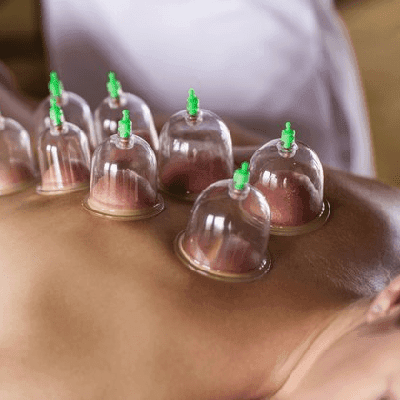
Even though they are not well known, integrating treatments such as Hijama are frequently disregarded in contemporary times. These techniques can enhance the body’s restorative and recuperative techniques, despite being perceived as outmoded and nonconformist. To comprehend the core of Hijama Treatment and how it may revitalize your body and mind. The cupping treatment, often referred to as hijama medical treatment, is an age-old technique that has grown in favor recently due to its health advantages. Hijamas are a kind of standard Islamic treatment in which the wearer creates a void on the skin by pressing cups on it to improve blood flow and general health. As the holistic method becomes more popular, many people are looking for Hijama Therapy Costs in Dubai. What is Hijama Therapy? It is a traditional Arabian medicine attire. It involves treating a variety of maladies, from physical infirmities to psychological exhaustion, by combining the use of soaked pitchers and clutching on particular points, or “joints” (also called qarhs). The method’s increasing popularity over the last few decades can be attributed to its effectiveness in treating a wide range of illnesses. Many people have had greater success from various ailments while wearing hijabs regularly, including feeling more upbeat and vivacious and possibly aiding with infertility! Despite the Hijama Therapy in Dubai has continuously worn since the time Catholicism was established, its numerous advantages are just now becoming apparent to us, making it one of the most widely used treatment methods. How Does The Therapy Work? Hijama treatment, often referred to as treatment with cupping, is a traditional healthcare procedure in which metal, plastic, or wooden cups are used to apply compression to the skin. This kind of treatment has been utilized for ages in many countries and has its roots in conventional healthcare. Further study is needed to determine its efficacy. The following are how the method is effective: Blood Circulation: By producing vacuuming, squeezing is said to enhance the circulatory system by potentially promoting the flow of blood to the treated region. Better ventilation and nutrition distribution to organs may result from this. Pain Relief: Hijama treatment is frequently used to reduce distress, particularly painful sensations related to the joints and muscles. The cups’ attraction may alleviate tension in muscle groups and encourage the disengagement of opiates, the body’s intrinsic analgesics. Detoxification: Proponents of cup claim that extracting unwanted substances from the bloodstream, aids in the process of detoxifying. It is believed that the suction stimulates the lethargic system’s ability to more effectively remove waste and pollutants. Diminution of Discomfort: The Cupping process may contain anti-inflammatory compounds that might aid in the body’s natural reduction of discomfort. For inflammatory illnesses including rheumatism or some skin ailments, this can be helpful. Relaxation and Stress Reduction: Patients frequently report feeling more comfortable and less stressed after receiving counseling. The cups’ sucking and compression may have a relaxing impact on the brain, potentially lowering stress and encouraging meditation. Better Qi (Life force) Flow: Wrapping is said in traditional Chinese medication to restore equilibrium to Qi, the life force that moves through the physique’s canals. It is believed to support greater Qi flow and hence general well-being. How Much Does The Cost Of The Method? The Cost of the Hijama treatment in Dubai might differ greatly depending on several variables. Those who are interested in this alternative therapy must do their homework and select a reliable clinic that fits their needs both financially and emotionally. It ranges from AED 250 to AED 350 or above. What Factors Can Alter The Cost Of The Method? The cost of the procedures is not constant because many elements are involved in the method. You must consult with the export to find out the cost. The following elements can influence the Cost of Hijama Therapy: Fees may be higher in reputable, long-standing clinics with skilled staff members. These professionals frequently make investments in ongoing education. Each Hijama session has a different duration, and receiving treatment. Extended sessions or more frequent treatments might lead to greater total expenses. Pricing may vary depending on the clinic’s location and facilities. Clinics that offer more services or are located in desirable regions could charge extra. Several clinics provide individualized treatment regimens. Customized plans might cost more since they require more assessments. Acupuncture or herbal treatment are examples of supplementary therapies. Certain clinics may combine with the method for effective outcomes. The total cost may change if these other services are included. Pricing may vary depending on the training and experience of the therapist. Practitioners with extensive training and experience could bill more for their services. A follow-up appointment is where the therapist reviews the patient’s progress. Some clinics include these consultations in their packages. The total fee may increase if follow-up sessions are included. The cost can be affected by the kind of cups used, and the sterilization techniques. Clinics that make capital investments in top-notch supplies and equipment may bill appropriately. Why Choose Us? Choosing to start a treatment path toward holistic well-being is big, and picking the proper facility is essential to making it enjoyable. The Dynamic Aesthetic Clinic In Dubai takes great satisfaction in providing a distinctive and enlightening therapy. Our facility is home to a group of exceptionally skilled and knowledgeable hijama treatment practitioners. Throughout therapy, our professionals are dedicated to putting your health and well-being first. Fill out the form below and book a consultation.
Can I Get an Infection after Hair Transplant?

For people who want to regain their self-esteem and hair, getting a transplanted follicle is a big choice. Even while the operation is widely regarded as effective and has grown in popularity, worries about germs and other perioperative problems might surface. But the most important concern is Can I Get an Infection after Hair Transplant? Annually, more than 650,000 individuals worldwide have hair transplantation. Sometimes these transplants result in regrettable hair transplant outcomes, nonetheless, not all of them are successful. You can increase your chance of contracting an infection from a procedure to transplant hair if you don’t visit a reputable, licensed facility. Following the transplantation of hair, infections can arise for a variety of causes, but there are techniques to minimize the risk of any negative reactions. What is a Hair Transplant? In this method, hair is surgically removed from one part of the human anatomy and placed onto those empty spots on the head through a procedure known as a hair transplant. The donor area is the area of the skin from which those patches are taken, and the patient’s area is the area in which those grafts are placed. Hair Transplant in Dubai is often done under local anesthesia since it requires incisions to remove and implant hair. However, possibilities for general anesthesia or relaxation may be taken into consideration based on the condition, degree of anxiousness, and tolerance to pain. What is Infection after the Transplant? A hair transplant involves the removal of hair follicles from one region of a person’s body and their insertion into the receding regions on your head by a physician or surgeon. Treatment for hereditary hair loss problems is believed to be effective. While Hair Transplants are thought to be generally safe, there is always some risk involved, just like with any cosmetic operation. Although infections following hair transplant treatments are uncommon affecting fewer than 1% of recipients. persons contemplating or having the surgery must be aware of the warning symptoms. We can assist you if you are suffering. What are the Causes of Hair Transplant Infection? Because of the clean surroundings created while the treatment and postoperative assistance provided to the patient, diseases following a Hair Transplant are very uncommon. There is, nevertheless, a little danger associated with every surgical operation. Bacteria infiltrating graft areas or wounds is the primary source of sickness, resulting in possible consequences and pain. The following factors lead to infections: Failure to abide by cleanliness guidelines or other appropriate rehabilitation following surgery might raise the probability of disease. People who have immune system weakness may be more vulnerable to pathogens. Any current medical issues or drugs that might impact your immune response should be disclosed to the surgeon who operates on you. The devices utilized for the surgery and the facility’s hygiene are crucial factors to consider. How to Handle a Hair Transplant Infection? The doctor who performed the surgery could if you’re suffering from a wound infection following a Hair Transplant, but if the situation worsens, you may want to see your physician. In certain cases, you can be recommended an administration of either liquid or local antibiotics to treat the illness. To maintain the epidermis sanitary and avoid disease, you might as simply cure the condition by cleaning your hair times a day with an antiseptic cleanser and stimulating the hair follicles with a warm wrap twice a day. Even with the greatest precautions, pathogens can still happen. The individual must get immediate medical assistance if they suspect the presence of an infection. Prompt action can stop the illness from becoming worse and develop possible side effects. Symptoms to Look Out for: Elevated temperature, swelling, inflammation, and discomfort at the places of surgery are typical indicators of illness. Unexpected secretion or sludge may also be a sign. Clinical Assessing: Consumers are encouraged to get in touch with their neurosurgeon as away if they are having complaints. Investigations to detect the kind of disease and the most appropriate type of therapy may be part of a medical examination. Antibiotics and Aftercare: A prophylactic antibiotic course is usually prescribed as part of treatment. Patients need to make sure the illness is dealt with effectively by taking their medications as directed and by showing up for follow-up visits. How can We Avoid Hair Transplant Infection? Even though complications following a hair transplant are rare, recovering fully depends on being cognizant of the dangers and taking the appropriate measures. By selecting a reliable and skilled surgeon, carefully adhering to postoperative treatment recommendations, and upholding excellent cleanliness habits, you may greatly lower your risk of getting an infection and so prolong the advantages. The following are the preventive measures of infection after hair transplant: Adhere to Post-Operative Care Instructions: Individuals are required to meticulously adhere to the after-surgery that they get from their surgeon. This usually entails taking medicines as directed, maintaining hygiene in both donor and recipient locations, and abstaining from actions that might impede the rehabilitation cycle. Keep Up Appropriate Hygiene: It’s important to scrub the transplant region gently and regularly. Clients should refrain from scratching or ruffling their scalp aggressively and utilize the shampoos that are prescribed. Pick a Famous Clinic: It’s Critical to Pick a Trustworthy Long-Established Hair Transplant at Dynamic Clinic. Make sure that the hospital hires qualified staff with expertise and follows tight sanitary guidelines. Postoperative Inspection: To find any deeper medical problems that might raise the risk of disease, operators should do comprehensive beforehand examinations. Individuals with weakened immune systems might require more care. How Much is the Cost of Hair Transplant? The Cost of Treatment for Hair Transplant Infection might be expensive based on some variables. It’s crucial to remember that infection prevention is a crucial part of the rehabilitation process and that outbreaks are often uncommon when the right measures are followed. Why Choose Us? The Dynamic Clinic is the best place for the method. Although major adverse effects are uncommon, be ready to contact your doctor right